
Wastewater management is a cornerstone of modern environmental engineering, public health, and sustainable urban development. Historically, wastewater was viewed merely as a nuisance to be disposed of as rapidly as possible. Early civilizations, such as the Romans, constructed rudimentary sewer systems primarily for stormwater and human waste removal. However, it was not until the 19th and 20th centuries, driven by the realization that waterborne diseases like cholera and typhoid were linked to contaminated water supplies, that modern wastewater treatment emerged.
Today, the paradigm has shifted from simple waste disposal to comprehensive resource recovery and environmental protection. Wastewater treatment plays a critical role in safeguarding public health by eliminating pathogens and protecting aquatic ecosystems from organic and chemical pollution. Despite these advancements, global challenges persist. Rapid urbanization, population growth, climate change, and industrial expansion have exponentially increased wastewater volumes and complexity. Furthermore, water scarcity necessitates the reevaluation of wastewater not as a waste product, but as a valuable resource for water reuse, energy generation, and nutrient recovery. Understanding the fundamental characteristics of wastewater is the essential first step in addressing these global challenges.
What is Wastewater?
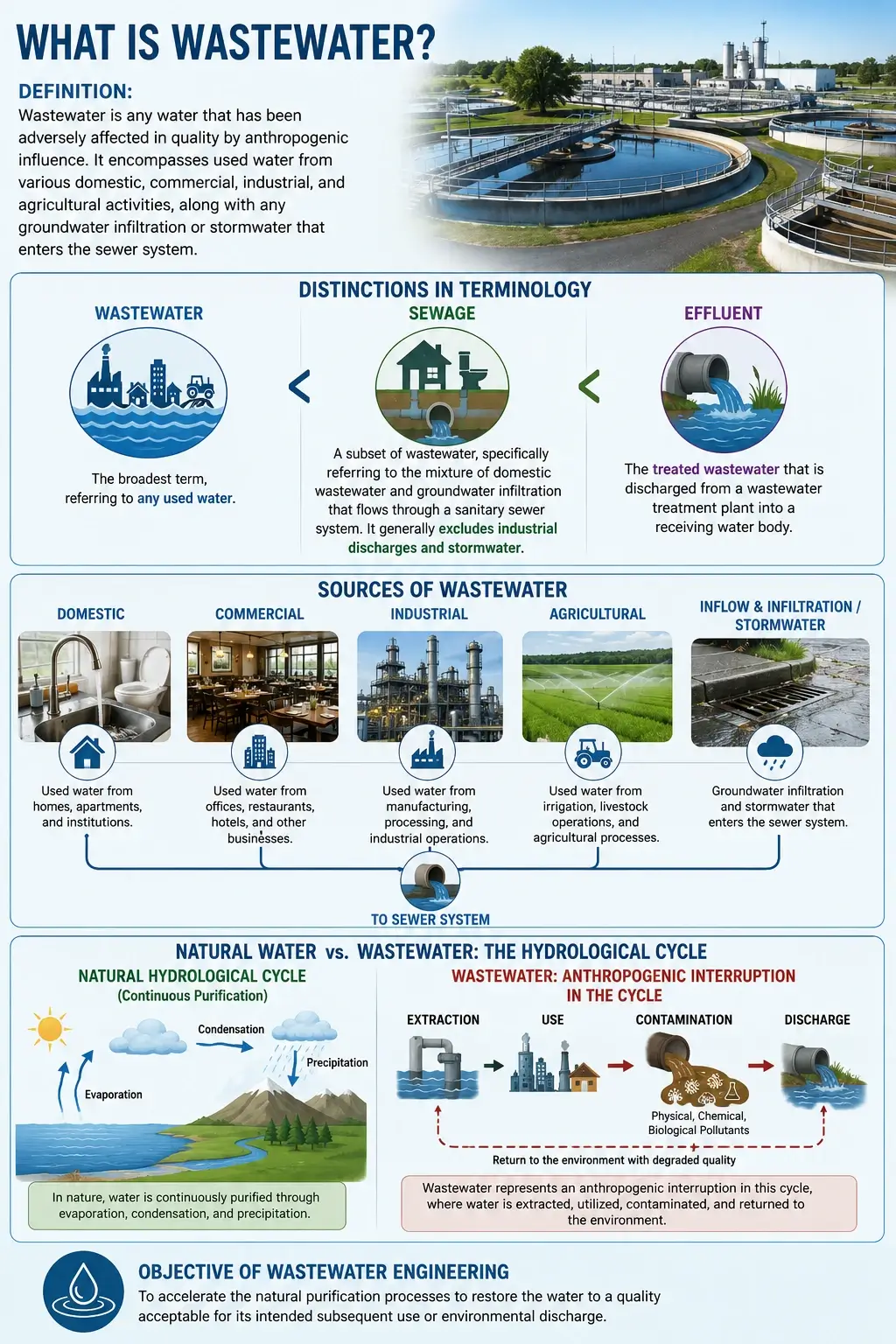
Definition: Wastewater is any water that has been adversely affected in quality by anthropogenic influence. It encompasses used water from various domestic, commercial, industrial, and agricultural activities, along with any groundwater infiltration or stormwater that enters the sewer system.
Distinctions in Terminology:
- Wastewater: The broadest term, referring to any used water.
- Sewage: A subset of wastewater, specifically referring to the mixture of domestic wastewater and groundwater infiltration that flows through a sanitary sewer system. It generally excludes industrial discharges and stormwater.
- Effluent: The treated wastewater that is discharged from a wastewater treatment plant into a receiving water body.
Natural Water vs. Wastewater: In the natural hydrological cycle, water is continuously purified through evaporation, condensation, and precipitation. Wastewater represents an anthropogenic interruption in this cycle, where water is extracted, utilized, contaminated with physical, chemical, and biological pollutants, and returned to the environment. The objective of wastewater engineering is to accelerate the natural purification processes to restore the water to a quality acceptable for its intended subsequent use or environmental discharge.
Sources of Wastewater
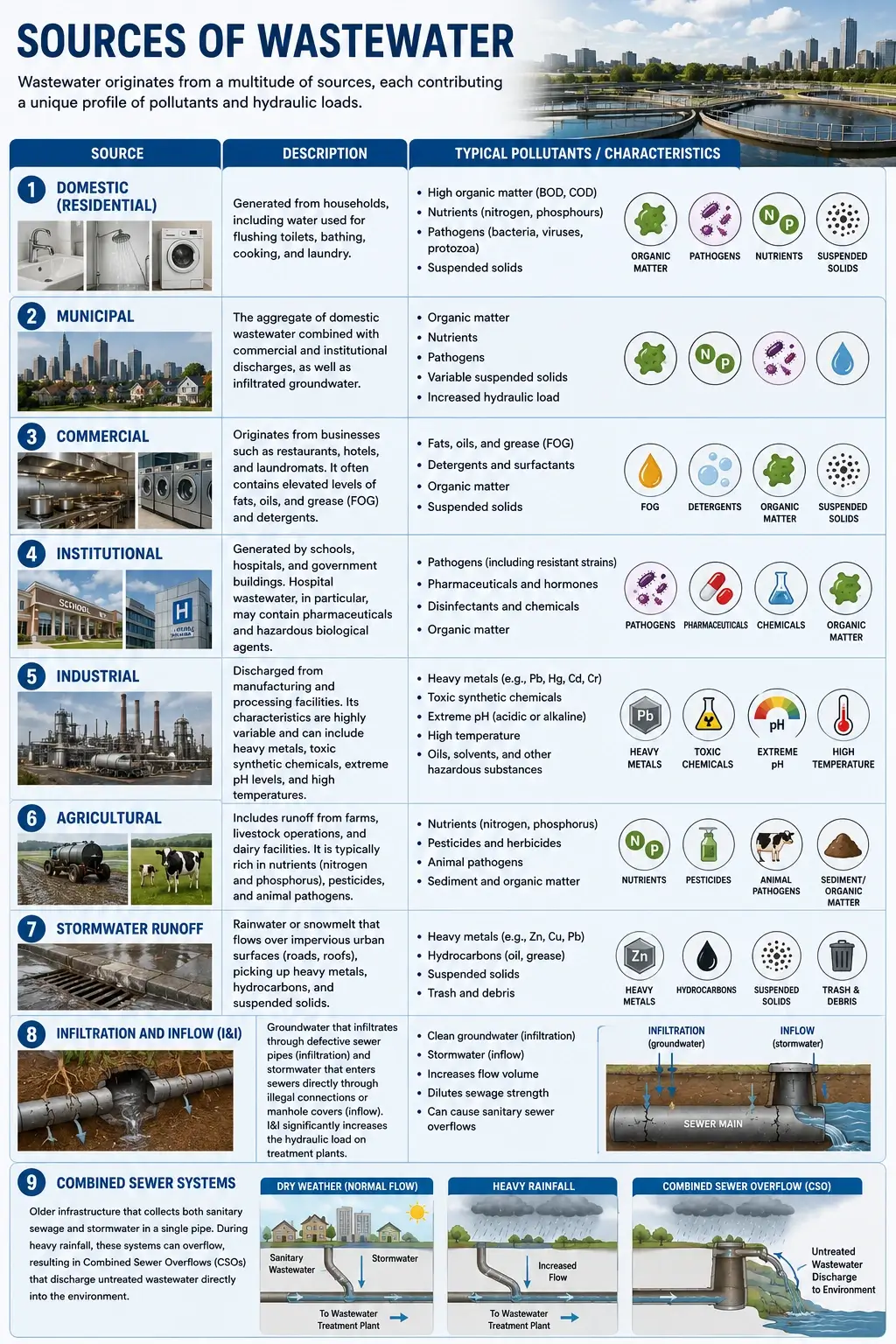
Wastewater originates from a multitude of sources, each contributing a unique profile of pollutants and hydraulic loads.
- Domestic (Residential): Generated from households, including water used for flushing toilets, bathing, cooking, and laundry. It is characterized by high organic matter, nutrients, and pathogens.
- Municipal: The aggregate of domestic wastewater combined with commercial and institutional discharges, as well as infiltrated groundwater.
- Commercial: Originates from businesses such as restaurants, hotels, and laundromats. It often contains elevated levels of fats, oils, and grease (FOG) and detergents.
- Institutional: Generated by schools, hospitals, and government buildings. Hospital wastewater, in particular, may contain pharmaceuticals and hazardous biological agents.
- Industrial: Discharged from manufacturing and processing facilities. Its characteristics are highly variable and can include heavy metals, toxic synthetic chemicals, extreme pH levels, and high temperatures.
- Agricultural: Includes runoff from farms, livestock operations, and dairy facilities. It is typically rich in nutrients (nitrogen and phosphorus), pesticides, and animal pathogens.
- Stormwater Runoff: Rainwater or snowmelt that flows over impervious urban surfaces (roads, roofs), picking up heavy metals, hydrocarbons, and suspended solids.
- Infiltration and Inflow (I&I): Groundwater that infiltrates through defective sewer pipes (infiltration) and stormwater that enters sewers directly through illegal connections or manhole covers (inflow). I&I significantly increases the hydraulic load on treatment plants.
- Combined Sewer Systems: Older infrastructure that collects both sanitary sewage and stormwater in a single pipe. During heavy rainfall, these systems can overflow, resulting in Combined Sewer Overflows (CSOs) that discharge untreated wastewater directly into the environment.
Table 1: Summary of Wastewater Sources
| Source | Typical Pollutants | Characteristics | Examples |
|---|---|---|---|
| Domestic | Organics, nutrients, pathogens | Consistent daily flow; high biodegradability | Toilet flushing, showering, cooking |
| Commercial | Fats, oils, grease (FOG), surfactants | Intermittent peaks; high organic loading | Restaurants, car washes, laundromats |
| Industrial | Heavy metals, toxics, extreme pH | Highly variable; often recalcitrant to biological treatment | Chemical manufacturing, metal plating |
| Agricultural | Nutrients, pesticides, sediment | Highly seasonal; driven by rainfall and irrigation | Livestock runoff, crop irrigation return |
| Stormwater | Heavy metals, hydrocarbons, TSS | Highly transient; flow peaks during precipitation events | Urban street runoff, parking lot drainage |
Classification of Wastewater
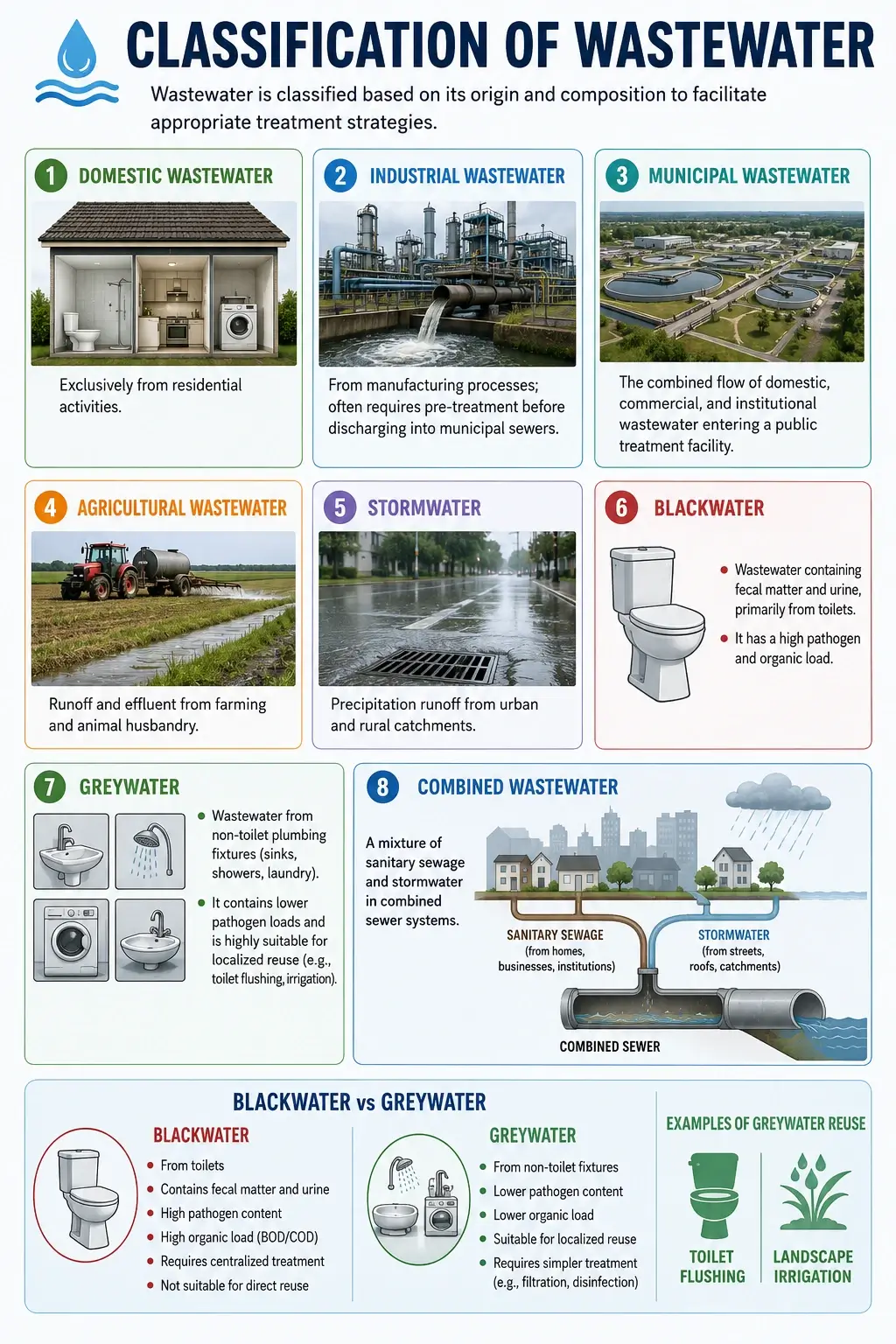
Wastewater is classified based on its origin and composition to facilitate appropriate treatment strategies:
- Domestic Wastewater: Exclusively from residential activities.
- Industrial Wastewater: From manufacturing processes; often requires pre-treatment before discharging into municipal sewers.
- Municipal Wastewater: The combined flow of domestic, commercial, and institutional wastewater entering a public treatment facility.
- Agricultural Wastewater: Runoff and effluent from farming and animal husbandry.
- Stormwater: Precipitation runoff from urban and rural catchments.
- Blackwater: Wastewater containing fecal matter and urine, primarily from toilets. It has a high pathogen and organic load.
- Greywater: Wastewater from non-toilet plumbing fixtures (sinks, showers, laundry). It contains lower pathogen loads and is highly suitable for localized reuse (e.g., toilet flushing, irrigation).
- Combined Wastewater: A mixture of sanitary sewage and stormwater in combined sewer systems.
Components of Wastewater
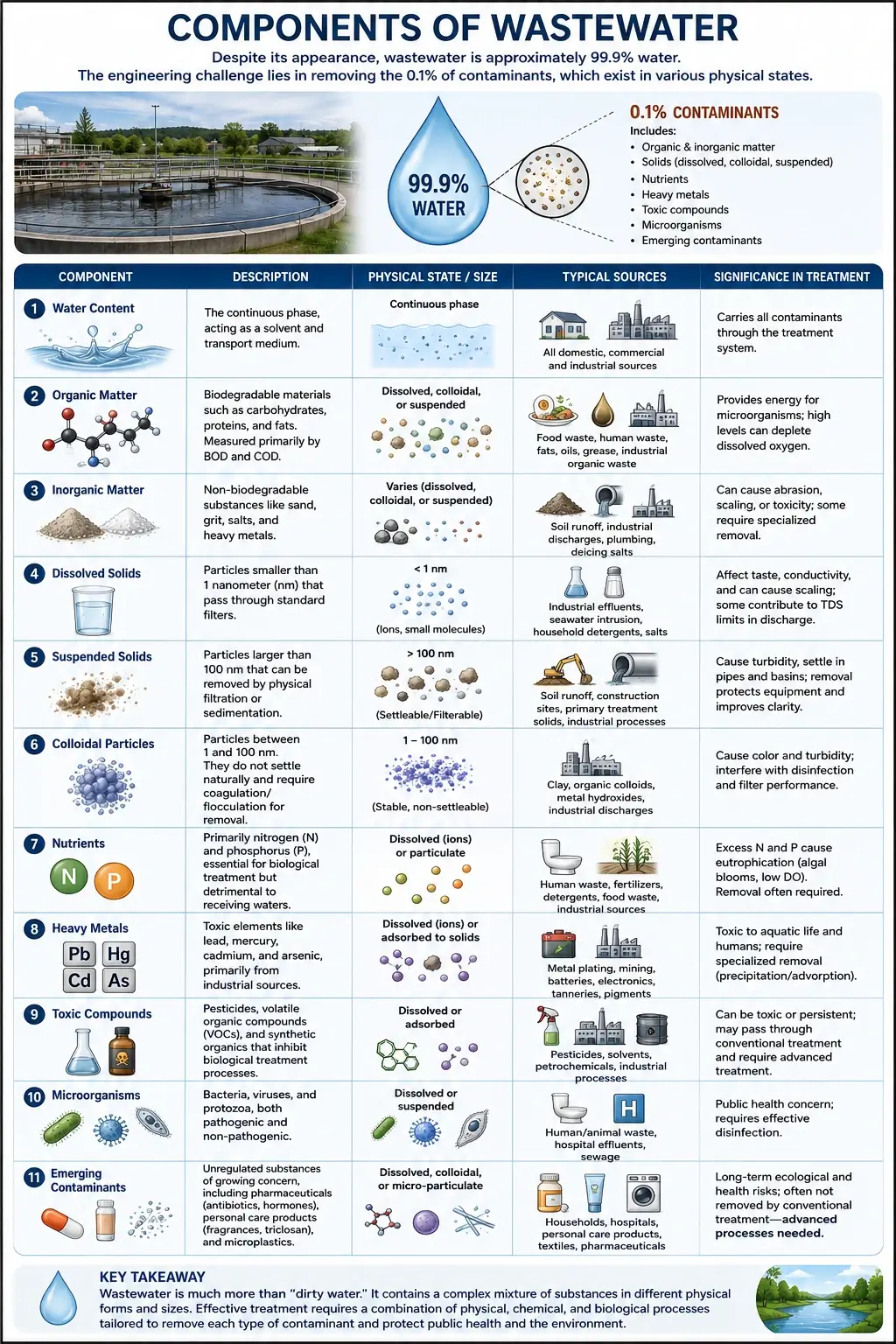
Despite its appearance, wastewater is approximately 99.9% water. The engineering challenge lies in removing the 0.1% of contaminants, which exist in various physical states:
- Water Content: The continuous phase, acting as a solvent and transport medium.
- Organic Matter: Biodegradable materials such as carbohydrates, proteins, and fats. Measured primarily by BOD and COD.
- Inorganic Matter: Non-biodegradable substances like sand, grit, salts, and heavy metals.
- Dissolved Solids: Particles smaller than 1 nanometer (nm) that pass through standard filters.
- Suspended Solids: Particles larger than 100 nm that can be removed by physical filtration or sedimentation.
- Colloidal Particles: Particles between 1 and 100 nm. They do not settle naturally and require coagulation/flocculation for removal.
- Nutrients: Primarily nitrogen (N) and phosphorus (P), essential for biological treatment but detrimental to receiving waters.
- Heavy Metals: Toxic elements like lead, mercury, cadmium, and arsenic, primarily from industrial sources.
- Toxic Compounds: Pesticides, volatile organic compounds (VOCs), and synthetic organics that inhibit biological treatment processes.
- Microorganisms: Bacteria, viruses, and protozoa, both pathogenic and non-pathogenic.
- Emerging Contaminants: Unregulated substances of growing concern, including pharmaceuticals (antibiotics, hormones), personal care products (fragrances, triclosan), and microplastics, which pose long-term ecological and health risks.
Wastewater Characteristics
The characteristics of wastewater dictate the selection and design of treatment processes. They are categorized into physical, chemical, and biological parameters.
A. Physical Characteristics
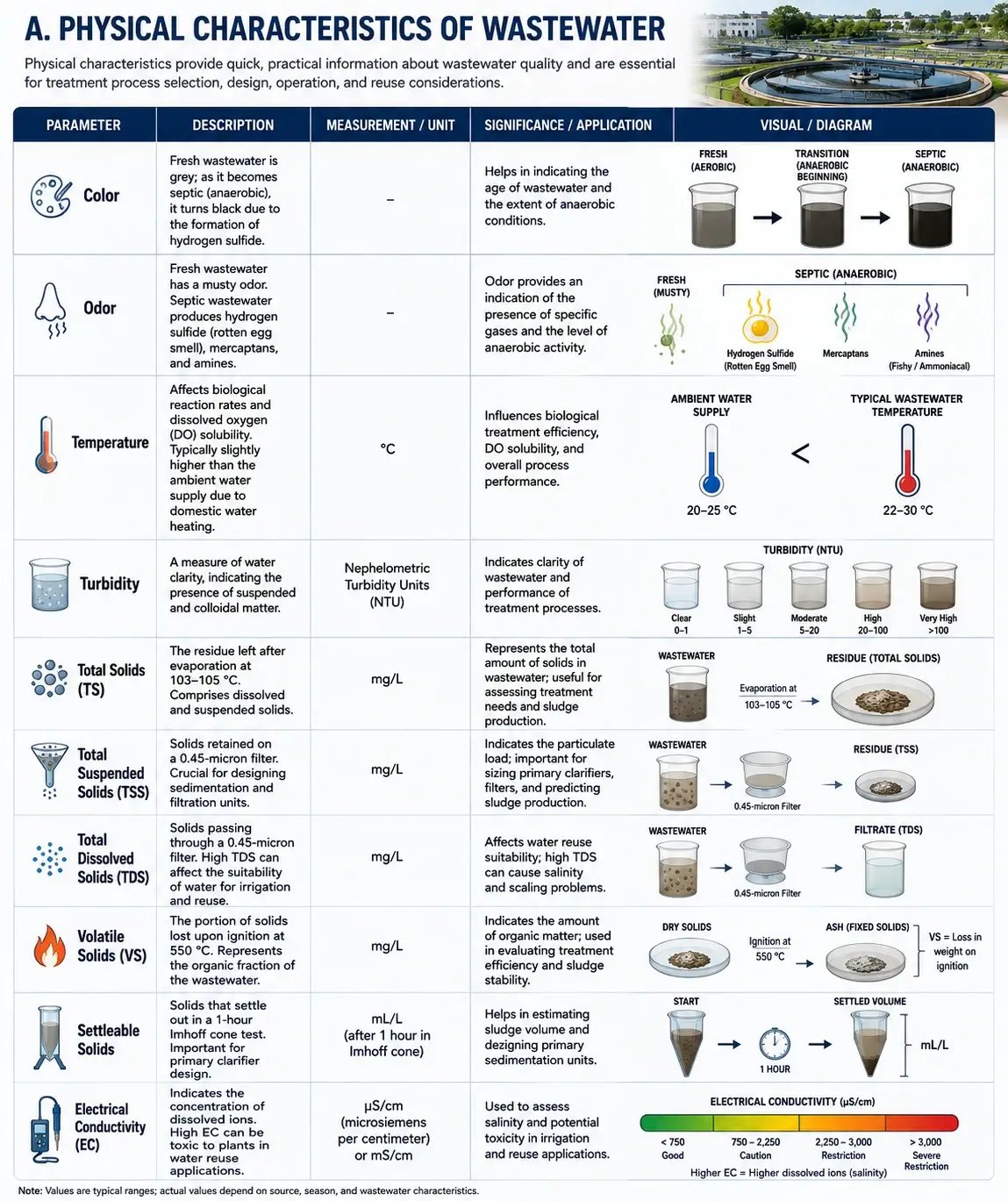
- Color: Fresh wastewater is grey; as it becomes septic (anaerobic), it turns black due to the formation of hydrogen sulfide.
- Odor: Fresh wastewater has a musty odor. Septic wastewater produces hydrogen sulfide (rotten egg smell), mercaptans, and amines.
- Temperature: Affects biological reaction rates and dissolved oxygen (DO) solubility. Typically slightly higher than the ambient water supply due to domestic water heating.
- Turbidity: A measure of water clarity, indicating the presence of suspended and colloidal matter. Measured in Nephelometric Turbidity Units (NTU).
- Total Solids (TS): The residue left after evaporation at 103–105 °C. Comprises dissolved and suspended solids.
- Total Suspended Solids (TSS): Solids retained on a 0.45-micron filter. Crucial for designing sedimentation and filtration units.
- Total Dissolved Solids (TDS): Solids passing through a 0.45-micron filter. High TDS can affect the suitability of water for irrigation and reuse.
- Volatile Solids (VS): The portion of solids lost upon ignition at 550 °C. Represents the organic fraction of the wastewater.
- Settleable Solids: Solids that settle out in a 1-hour Imhoff cone test. Important for primary clarifier design.
- Electrical Conductivity (EC): Indicates the concentration of dissolved ions. High EC can be toxic to plants in water reuse applications.
B. Chemical Characteristics
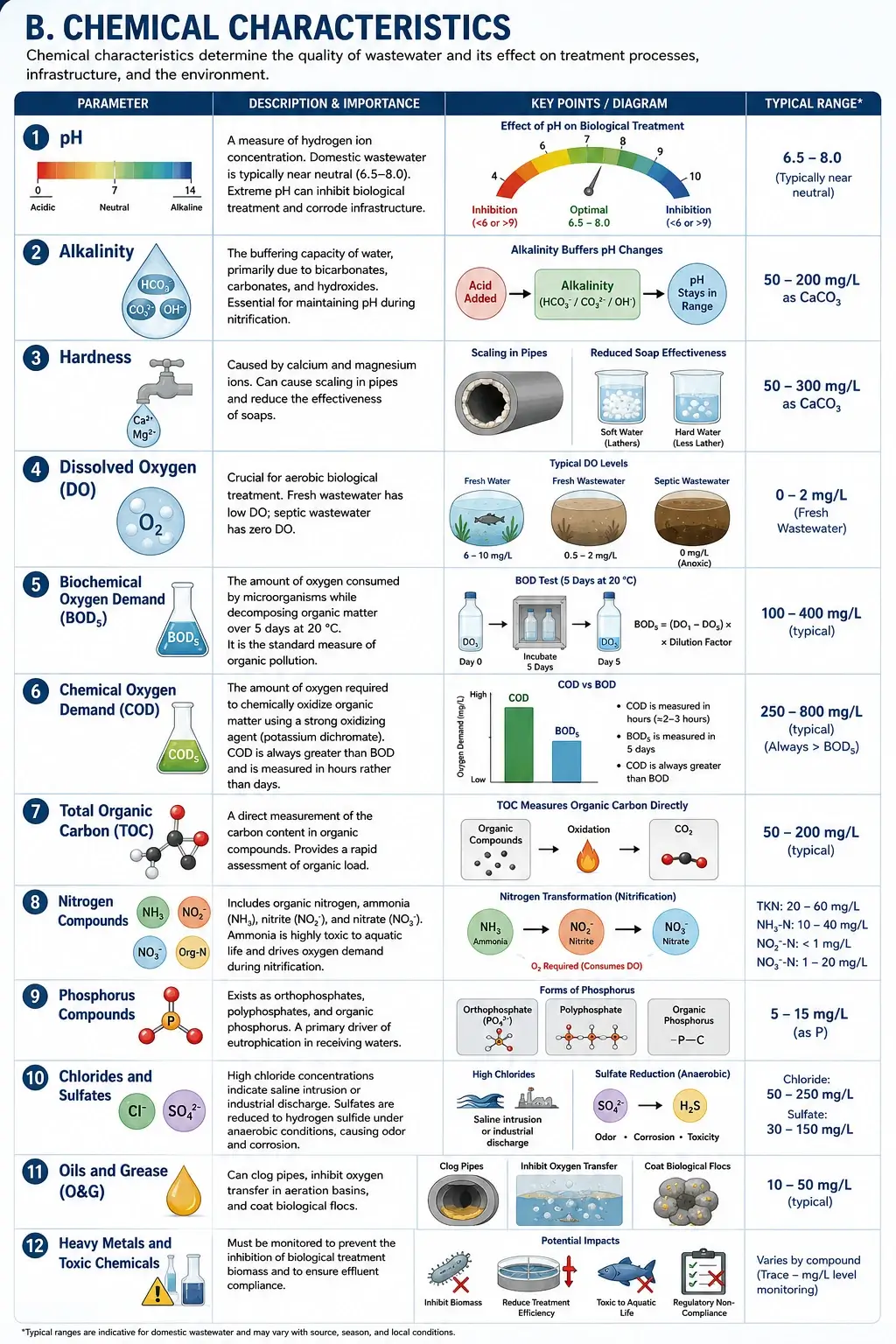
- pH: A measure of hydrogen ion concentration. Domestic wastewater is typically near neutral (6.5–8.0). Extreme pH can inhibit biological treatment and corrode infrastructure.
- Alkalinity: The buffering capacity of water, primarily due to bicarbonates, carbonates, and hydroxides. Essential for maintaining pH during nitrification.
- Hardness: Caused by calcium and magnesium ions. Can cause scaling in pipes and reduce the effectiveness of soaps.
- Dissolved Oxygen (DO): Crucial for aerobic biological treatment. Fresh wastewater has low DO; septic wastewater has zero DO.
- Biochemical Oxygen Demand (BOD₅): The amount of oxygen consumed by microorganisms while decomposing organic matter over 5 days at 20 °C. It is the standard measure of organic pollution.
- Chemical Oxygen Demand (COD): The amount of oxygen required to chemically oxidize organic matter using a strong oxidizing agent (potassium dichromate). COD is always greater than BOD and is measured in hours rather than days.
- Total Organic Carbon (TOC): A direct measurement of the carbon content in organic compounds. Provides a rapid assessment of organic load.
- Nitrogen Compounds: Includes organic nitrogen, ammonia (NH₃), nitrite (NO₂⁻), and nitrate (NO₃⁻). Ammonia is highly toxic to aquatic life and drives oxygen demand during nitrification.
- Phosphorus Compounds: Exists as orthophosphates, polyphosphates, and organic phosphorus. A primary driver of eutrophication in receiving waters.
- Chlorides and Sulfates: High chloride concentrations indicate saline intrusion or industrial discharge. Sulfates are reduced to hydrogen sulfide under anaerobic conditions, causing odor and corrosion.
- Oils and Grease (O&G): Can clog pipes, inhibit oxygen transfer in aeration basins, and coat biological flocs.
- Heavy Metals and Toxic Chemicals: Must be monitored to prevent the inhibition of biological treatment biomass and to ensure effluent compliance.
C. Biological Characteristics
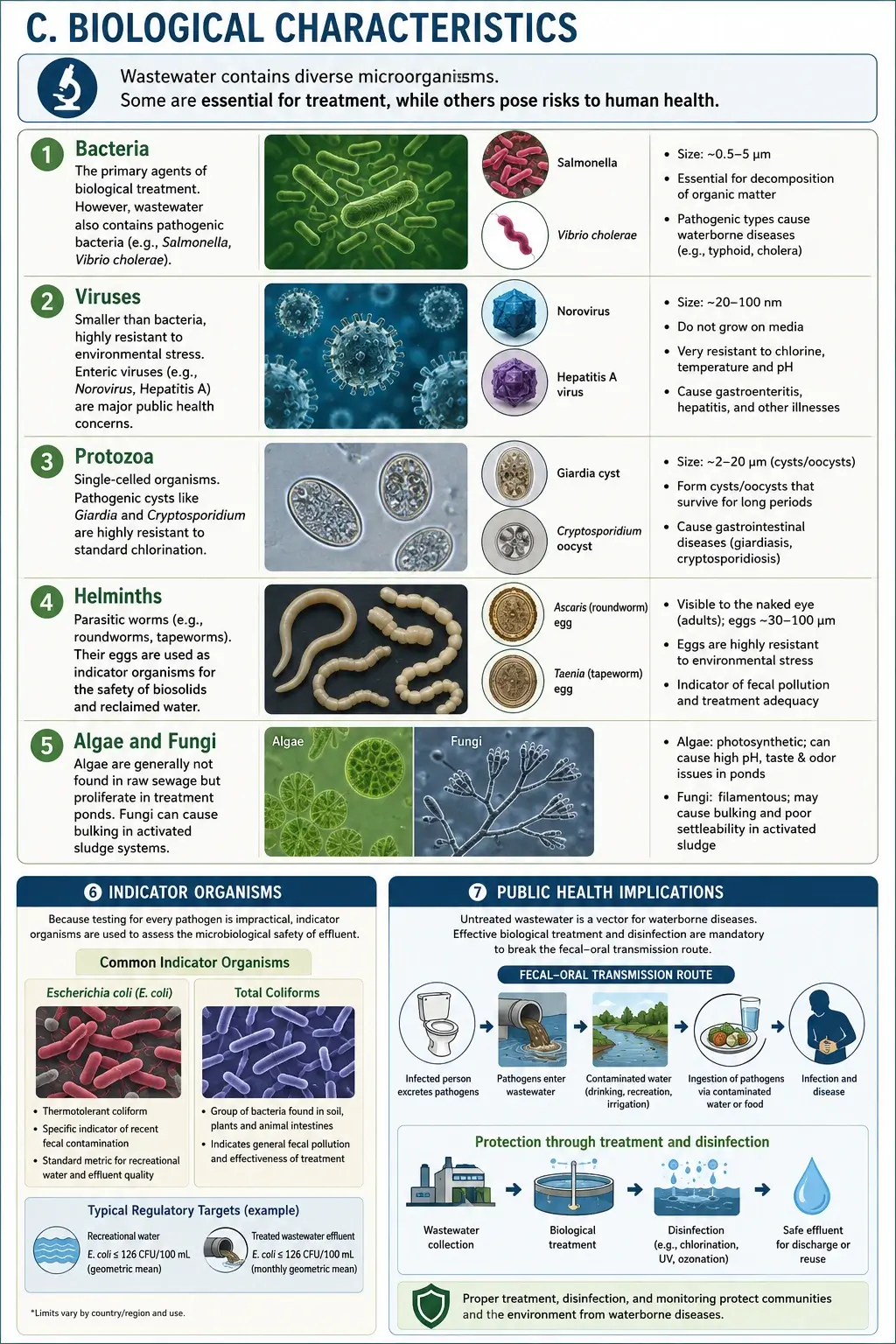
- Bacteria: The primary agents of biological treatment. However, wastewater also contains pathogenic bacteria (e.g., Salmonella, Vibrio cholerae).
- Viruses: Smaller than bacteria, highly resistant to environmental stress. Enteric viruses (e.g., Norovirus, Hepatitis A) are major public health concerns.
- Protozoa: Single-celled organisms. Pathogenic cysts like Giardia and Cryptosporidium are highly resistant to standard chlorination.
- Helminths: Parasitic worms (e.g., roundworms, tapeworms). Their eggs are used as indicator organisms for the safety of biosolids and reclaimed water.
- Algae and Fungi: Algae are generally not found in raw sewage but proliferate in treatment ponds. Fungi can cause bulking in activated sludge systems.
- Indicator Organisms: Because testing for every pathogen is impractical, indicator organisms like Escherichia coli (E. coli) and total coliforms are used to assess the microbiological safety of effluent.
- Public Health Implications: Untreated wastewater is a vector for waterborne diseases. Effective biological treatment and disinfection are mandatory to break the fecal-oral transmission route.
Typical Wastewater Quality Parameters
The following table outlines the typical concentration ranges for untreated, average-strength domestic wastewater, serving as a baseline for engineering design.
Table 2: Typical Domestic Wastewater Quality Parameters
| Parameter | Symbol | Unit | Typical Range (Weak to Strong) | Significance |
|---|---|---|---|---|
| pH | pH | – | 6.5 – 8.0 | Indicates acidity/alkalinity; affects biological processes. |
| Temperature | T | °C | 15 – 25 | Affects reaction rates and DO solubility. |
| Biochemical Oxygen Demand | BOD₅ | mg/L | 100 – 300 | Measure of biodegradable organic matter. |
| Chemical Oxygen Demand | COD | mg/L | 250 – 1000 | Measure of total oxidizable organic matter. |
| Total Suspended Solids | TSS | mg/L | 100 – 350 | Indicates physical pollution; affects light penetration and settling. |
| Total Dissolved Solids | TDS | mg/L | 250 – 800 | Affects suitability for irrigation and reuse. |
| Total Nitrogen | TN | mg/L | 20 – 85 | Nutrient causing eutrophication; toxic to aquatic life. |
| Total Phosphorus | TP | mg/L | 4 – 15 | Nutrient causing eutrophication. |
| Ammonia Nitrogen | NH₃-N | mg/L | 15 – 50 | Toxic to fish; consumes oxygen during nitrification. |
| Dissolved Oxygen | DO | mg/L | 0 – 2 | Indicates septicity; required for aerobic treatment. |
| Oil & Grease | O&G | mg/L | 10 – 100 | Can cause operational issues and surface water pollution. |
| Electrical Conductivity | EC | µS/cm | 500 – 1500 | Indicates total dissolved ionic concentration. |
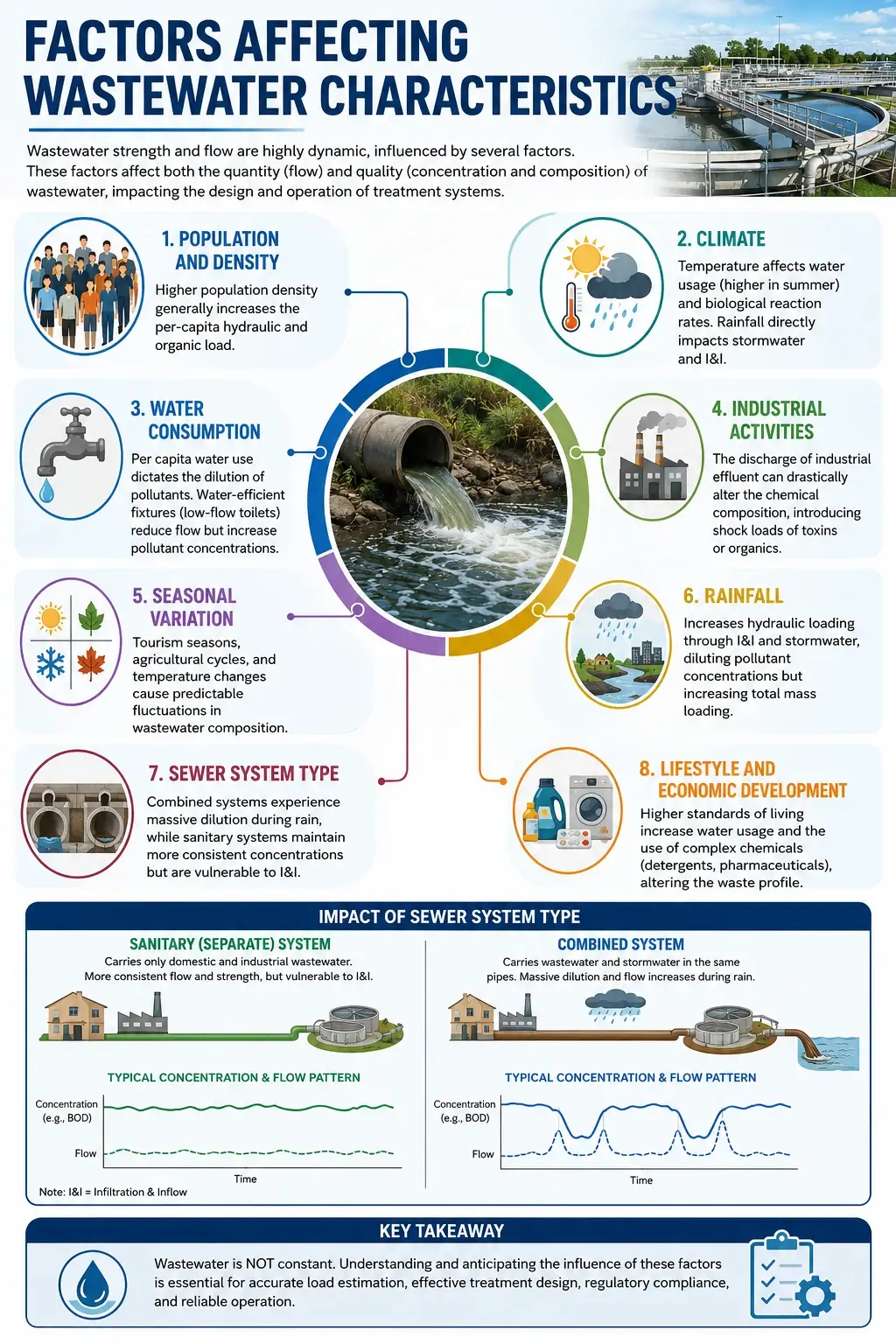
Factors Affecting Wastewater Characteristics
Wastewater strength and flow are highly dynamic, influenced by several factors:
- Population and Density: Higher population density generally increases the per-capita hydraulic and organic load.
- Climate: Temperature affects water usage (higher in summer) and biological reaction rates. Rainfall directly impacts stormwater and I&I.
- Water Consumption: Per capita water use dictates the dilution of pollutants. Water-efficient fixtures (low-flow toilets) reduce flow but increase pollutant concentrations.
- Industrial Activities: The discharge of industrial effluent can drastically alter the chemical composition, introducing shock loads of toxins or organics.
- Seasonal Variation: Tourism seasons, agricultural cycles, and temperature changes cause predictable fluctuations in wastewater composition.
- Rainfall: Increases hydraulic loading through I&I and stormwater, diluting pollutant concentrations but increasing total mass loading.
- Sewer System Type: Combined systems experience massive dilution during rain, while sanitary systems maintain more consistent concentrations but are vulnerable to I&I.
- Lifestyle and Economic Development: Higher standards of living increase water usage and the use of complex chemicals (detergents, pharmaceuticals), altering the waste profile.
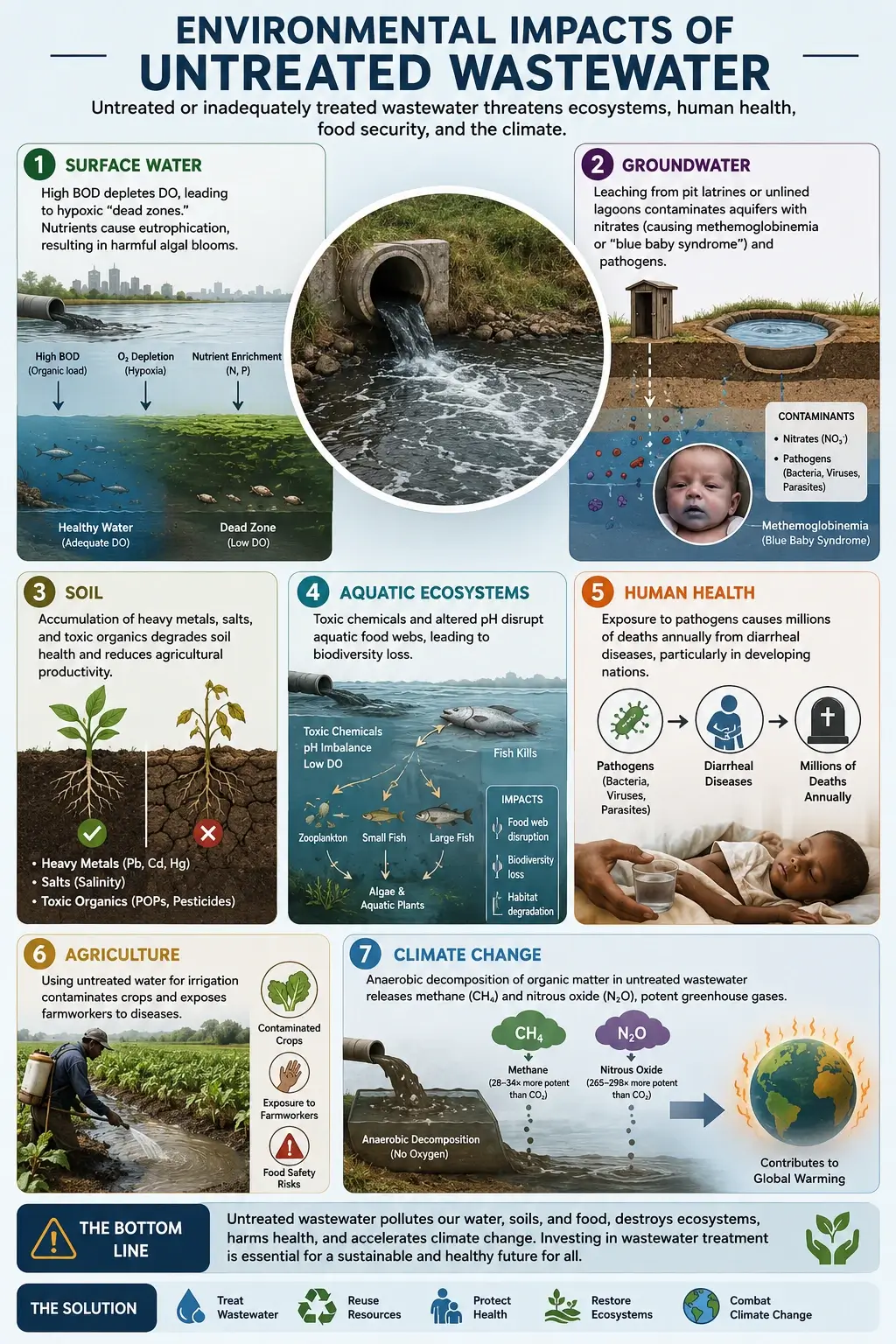
Environmental Impacts of Untreated Wastewater
The discharge of untreated or inadequately treated wastewater has severe consequences:
- Surface Water: High BOD depletes DO, leading to hypoxic “dead zones.” Nutrients cause eutrophication, resulting in harmful algal blooms.
- Groundwater: Leaching from pit latrines or unlined lagoons contaminates aquifers with nitrates (causing methemoglobinemia or “blue baby syndrome”) and pathogens.
- Soil: Accumulation of heavy metals, salts, and toxic organics degrades soil health and reduces agricultural productivity.
- Aquatic Ecosystems: Toxic chemicals and altered pH disrupt aquatic food webs, leading to biodiversity loss.
- Human Health: Exposure to pathogens causes millions of deaths annually from diarrheal diseases, particularly in developing nations.
- Agriculture: Using untreated water for irrigation contaminates crops and exposes farmworkers to diseases.
- Climate Change: Anaerobic decomposition of organic matter in untreated wastewater releases methane (CH₄) and nitrous oxide (N₂O), potent greenhouse gases.
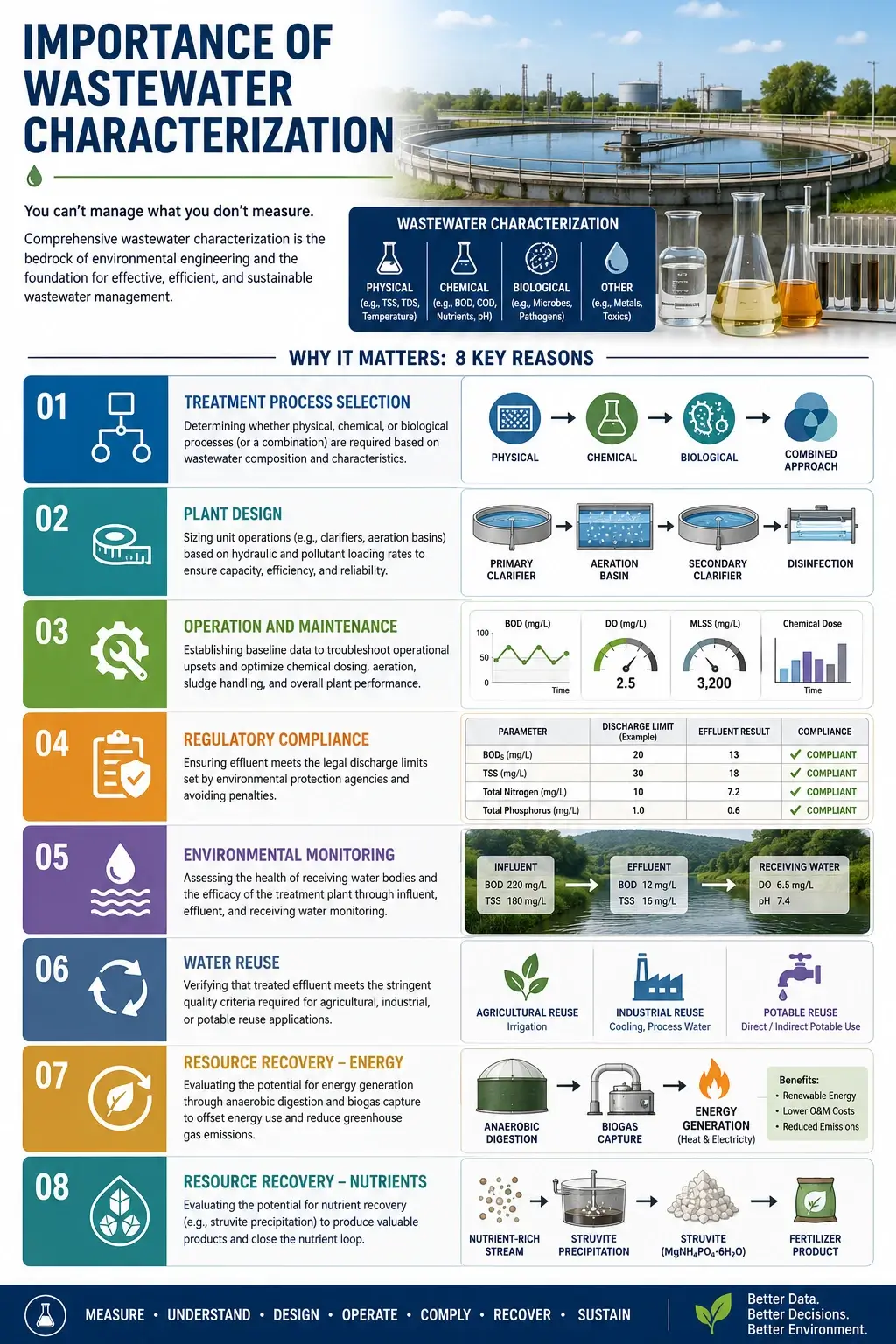
Importance of Wastewater Characterization
Comprehensive wastewater characterization is the bedrock of environmental engineering. It is essential for:
- Treatment Process Selection: Determining whether physical, chemical, or biological processes (or a combination) are required.
- Plant Design: Sizing unit operations (e.g., clarifiers, aeration basins) based on hydraulic and pollutant loading rates.
- Operation and Maintenance: Establishing baseline data to troubleshoot operational upsets and optimize chemical dosing or aeration.
- Regulatory Compliance: Ensuring effluent meets the legal discharge limits set by environmental protection agencies.
- Environmental Monitoring: Assessing the health of receiving water bodies and the efficacy of the treatment plant.
- Water Reuse: Verifying that treated effluent meets the stringent quality criteria required for agricultural, industrial, or potable reuse.
- Resource Recovery: Evaluating the potential for energy generation (via anaerobic digestion and biogas capture) and nutrient recovery (e.g., struvite precipitation).
Conclusion
The fundamental premise of environmental engineering is that one cannot manage what one cannot measure. Wastewater characterization provides the empirical data necessary to transform a hazardous waste stream into a manageable resource. As global water scarcity intensifies and environmental regulations become more stringent, the role of the environmental engineer is evolving. Modern wastewater treatment is no longer just about pollution control; it is about resource recovery, energy efficiency, and ecological restoration. A deep, rigorous understanding of wastewater characteristics—spanning its physical state, chemical reactivity, and biological complexity—is the essential foundation for designing the next generation of sustainable, resilient, and resource-recovering wastewater treatment systems. By mastering these fundamentals, engineering professionals can effectively safeguard public health and ensure the long-term sustainability of our global water resources.
References
- Davis, M. L., & Cornwell, D. A. (2012). Introduction to environmental engineering (5th ed.). McGraw-Hill Education.
- Metcalf & Eddy, Inc., Tchobanoglous, G., Stensel, H. D., Tsuchihashi, R., & Burton, F. L. (2014). Wastewater engineering: Treatment and resource recovery (5th ed.). McGraw-Hill Education.
- United States Environmental Protection Agency (USEPA). (2020). Primer for municipal wastewater treatment systems (EPA 832-F-20-014). Office of Water.
- World Health Organization (WHO). (2006). WHO guidelines for the safe use of wastewater, excreta and greywater: Volume 1: Safe use of wastewater in agriculture. World Health Organization. https://www.who.int/publications/i/item/9241546859
- World Health Organization (WHO). (2018). Guidelines on sanitation and health. World Health Organization. https://www.who.int/publications/i/item/9789241514705
- International Organization for Standardization (ISO). (2022). Water quality — Sampling — Part 1: Guidance on the design of sampling programmes and sampling techniques (ISO 5667-1:2022). https://www.iso.org/standard/70428.html
Introduction to Wastewater Examination
Wastewater Engineering Examination
Topic: Introduction to Wastewater and Wastewater Characteristics | 10 Questions

 Inar Learn